
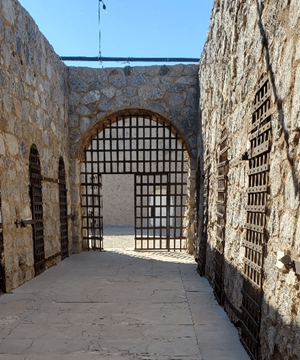
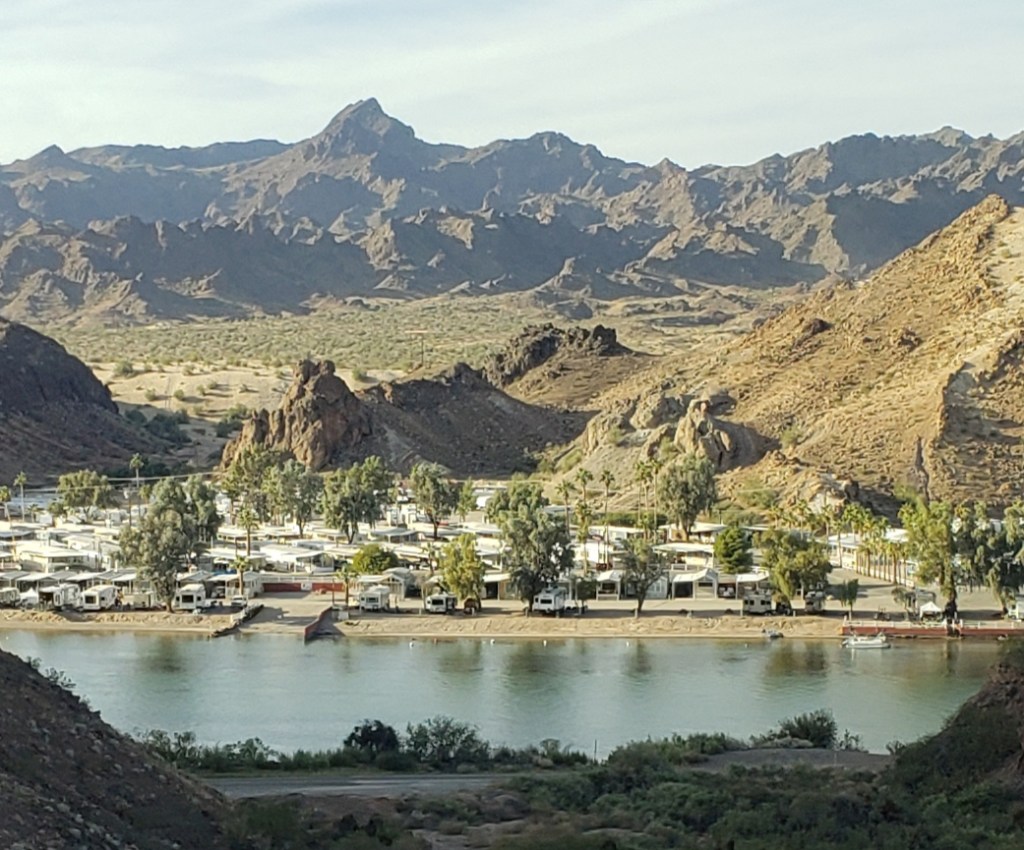
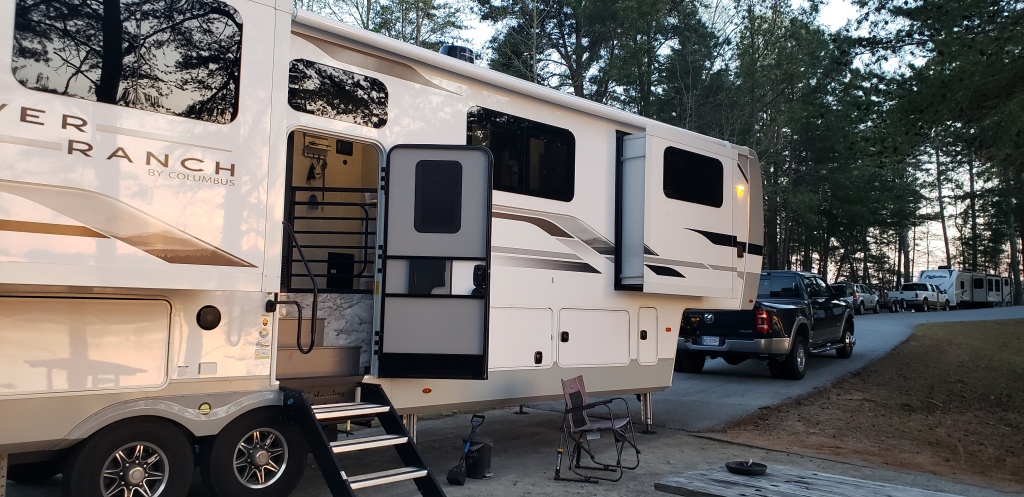
Just before COVID hit, “The Man” & I visited Los Algodones in Baja California, Mexico and Yuma, Arizona. Leaving our camper at Echo Lodge, a resort located along the Parker Strip in eastern California, we spent Valentines Day exploring Los Algodones and Yuma.
The day before Valentine’s we headed to Yuma. Wanting an early start, we stayed overnight in a hotel. Up at 7 a.m., we headed to the border and found a parking spot over-looking the fence. We then walked into Mexico.
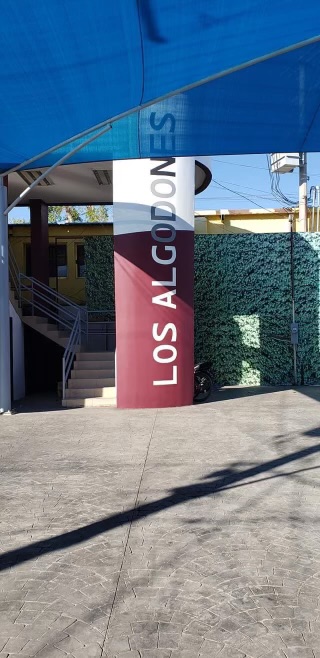
Finding a small restaurant, we ate breakfast, picked up some albuterol for my asthma, and spent the morning strolling through Los Algodones buying souvenirs. At 11 a.m. the stores started selling alcohol and we grabbed a bottle of tequila, some Mexican vanilla, and headed back to Yuma.
After all the horror stories we had heard about waiting in line for hours to get through customs, we were pleasantly surprised at how easy it was. The entire process only took maybe 10 -15 minutes.
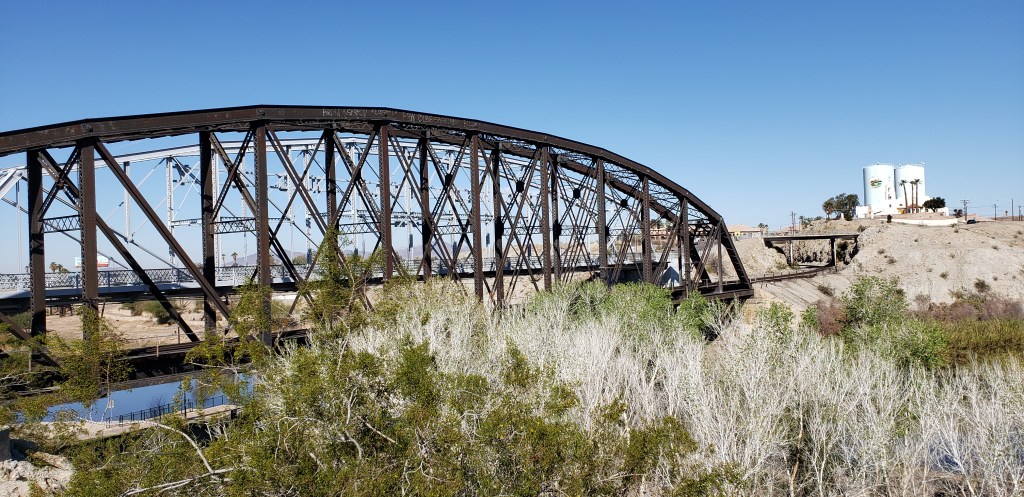
Once back in Arizona, we headed to the Yuma Territorial Prison for more sight-seeing, before heading back to the Strip.
The Yuma Territorial Prison was established in 1875 and closed in 1909. It was then used by the city for their local High School (visityuma.com).
Although initially built to house prisoners convicted of capital crimes, it was also used to house nine leaders of the Mormon Church. Fueled by 19th century moral reforms, more than 1,300 Members of the Church of Latter-Day Saints were convicted of “unlawful cohabitation”, a felony under the Edmunds Act of 1882.
Individuals convicted under the act lost the privilege to serve on a jury, lost their right to vote, and the ability to hold public office (yumaprison.org).
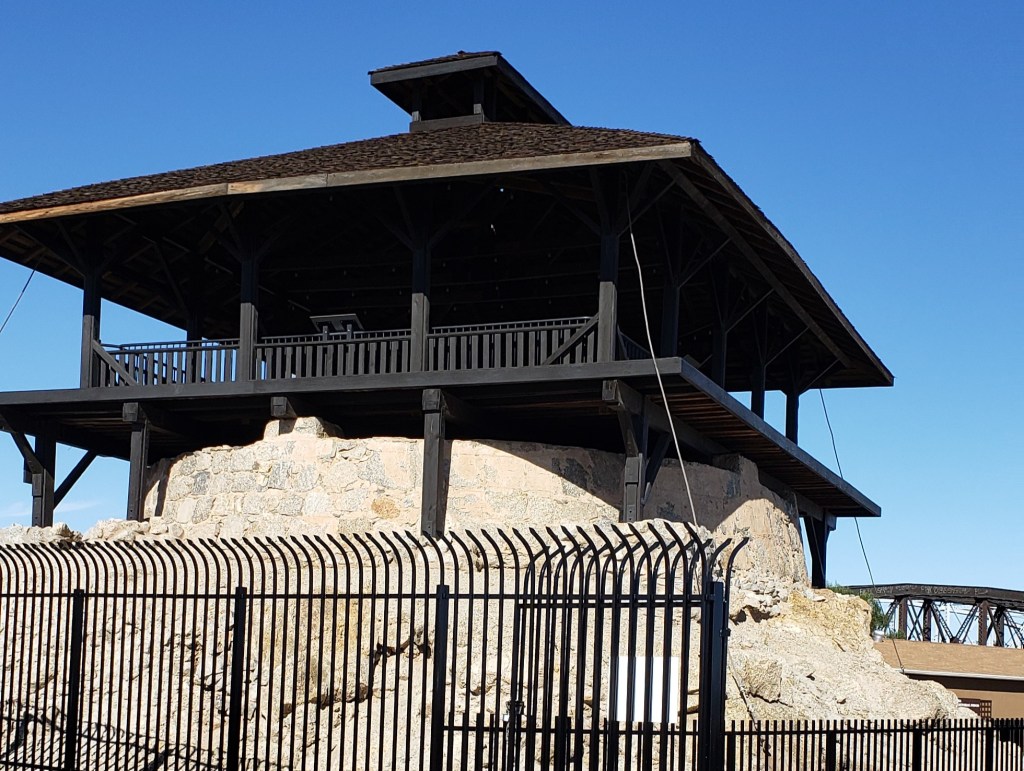
Some of Yuma’s more notorious prisoners include:
- Ricard Flores Magon – Mexican Revolutionary, who violated the neutrality act in 1906.
- “Buckskin” Frank Leslie = former employee of Wyatt Earp, he was convicted of killing a member of the Clayton gang and in a drunken rage, murdered his own girlfriend.
- Elena Estrada – “stabbed her unfaithful lover, then cut open his chest, pulled out his heart, and threw the bloody mass into his face” (yumaprison.org/inmates).
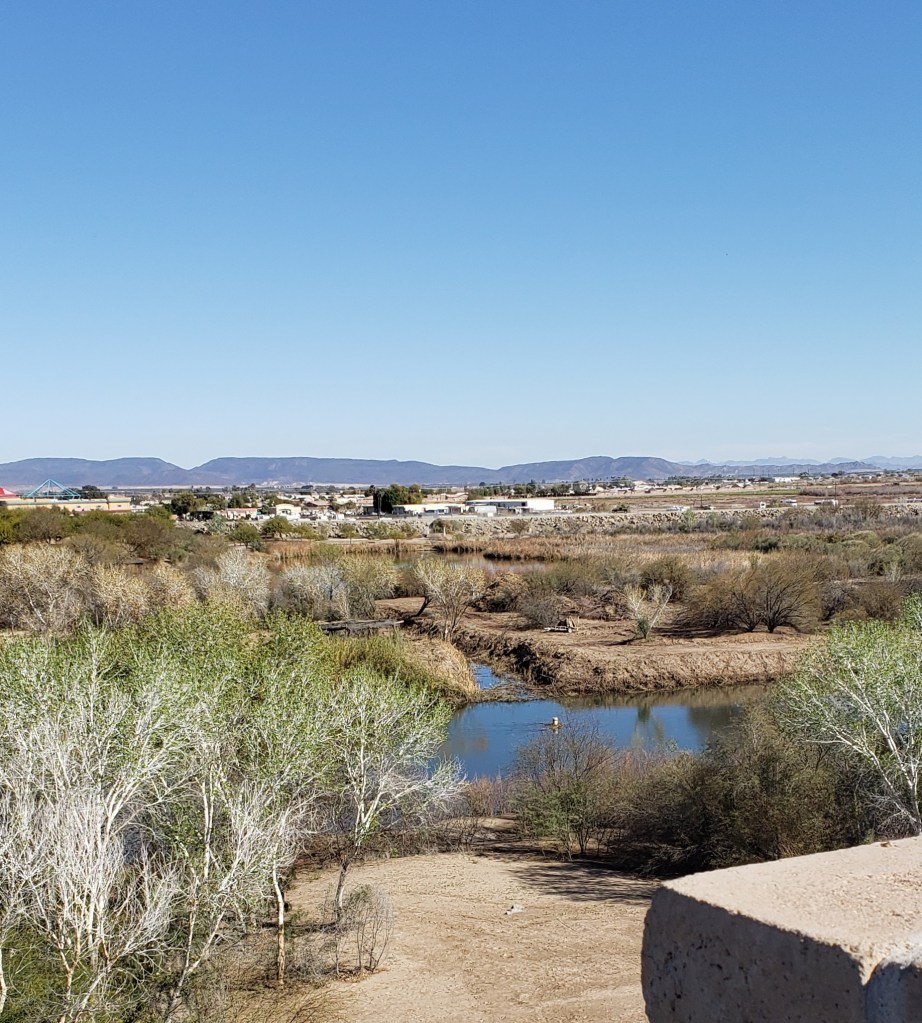
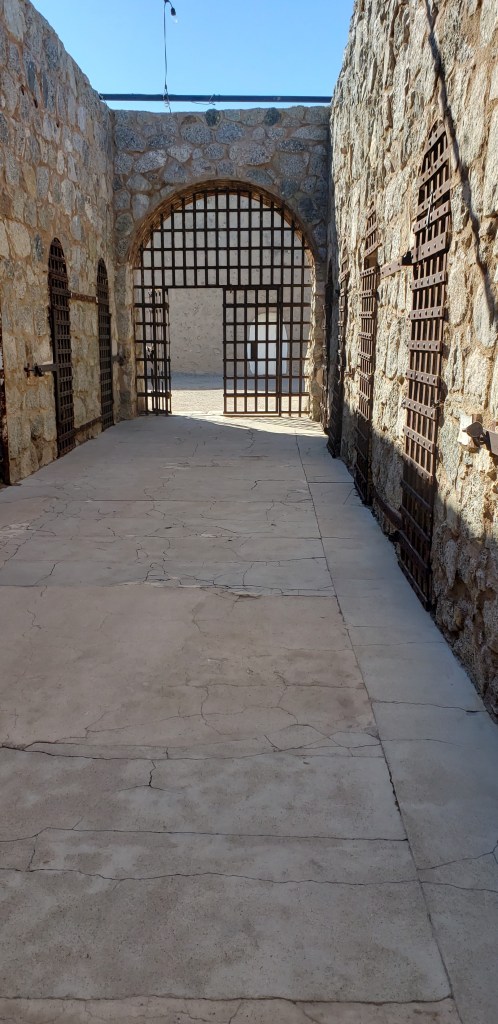
The Territorial Prison, positioned amidst the Sonoran Desert, is surrounded by rivers and quicksand. The inmates described the conditions as “insufferable…it was like a furnace” and a “Hell Hole.” Considered inescapable, the ball and chain were standard punishments, while tuberculosis was the leading killer.
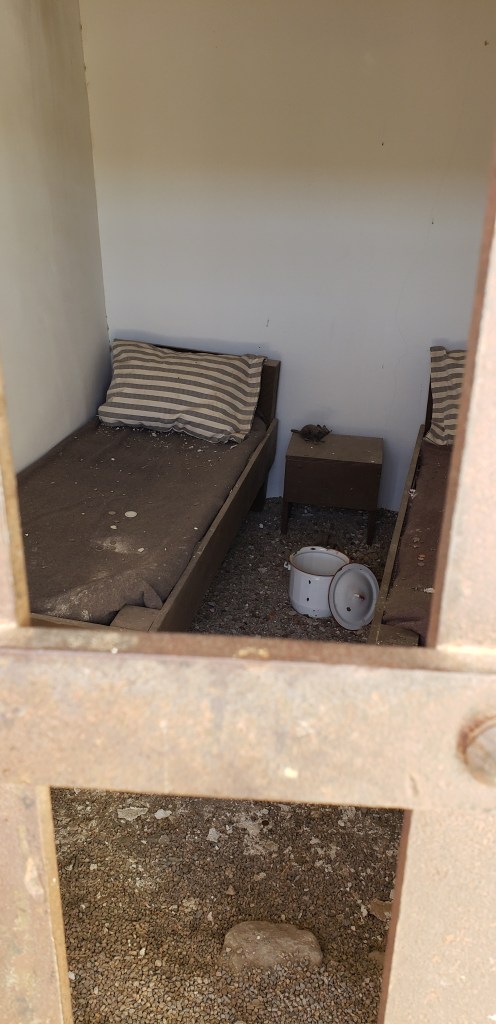
Despite this, Yuma Territorial Prison was one of the more progressive prisons in the country. It was one of the few places in the Arizona Territory to have electricity, forced ventilation, sanitation, and bathing facilities. There was a prison band and even a 2,000-book library.
Yuma residents considered the prison a “country club” and resented the prisoners for the creature comforts not available to themselves (yumaprison.org).
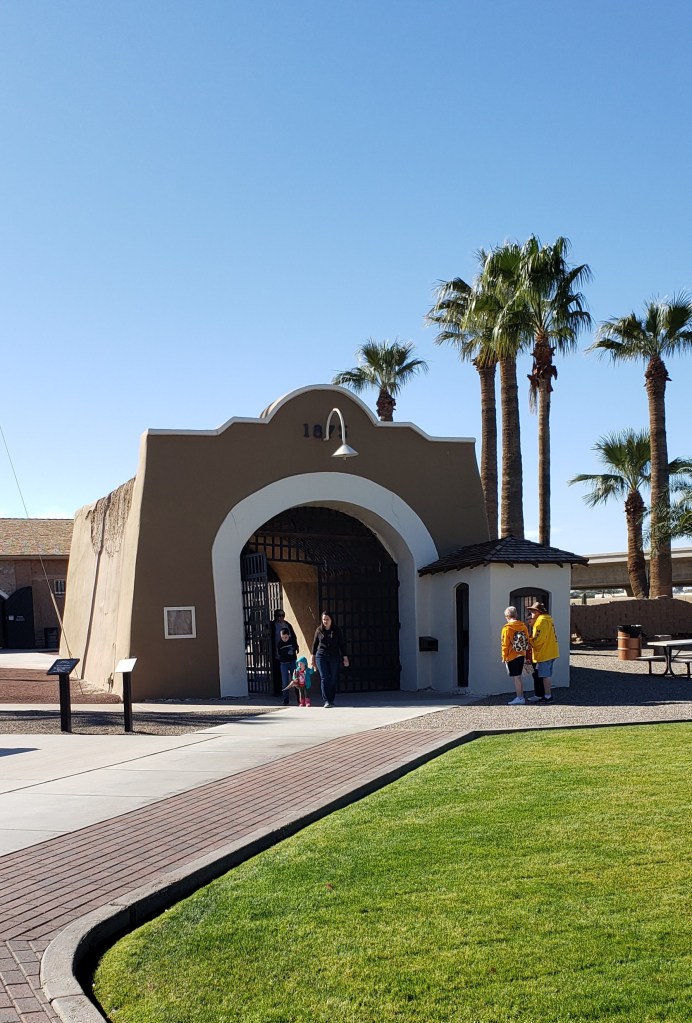
Today, the Prison is part of the Arizona State Park System. The museum is open to the public seven days a week and is found at 220 N. Prison Hill Road, Yuma, AZ 85364.
The hours of operation are from 9:30 a.m. to 5 p.m. seasonally, beginning the second week of November through March 31st, and then from 8:30 a.m. to 4:00 p.m. June 1st through September 30th through the second week of November.
Admission costs $10 for adults; $9 seniors (ages 62+); $5 youths (ages 7-13); free for children aged 6 and younger. Parking is free and there are even spots for RVs in the South Parking Lot (yumaprison.org).
 THE CAMPER